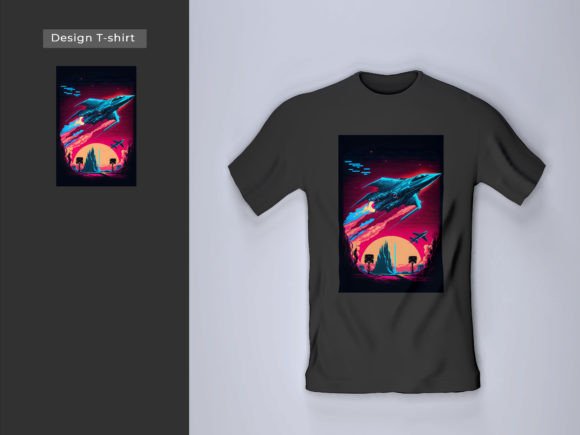
Mastering the Retro-Future: The Power of Synthwave Design Illustrations
When you are working on a project that demands immediate impact, relying on standard stock photography often falls flat. There is a specific aesthetic that has stood the test of time, blending the nostalgia of the 1980s with futuristic concepts: Synthwave. However, finding assets that match the quality of your vision can be difficult. This is where the specific utility of high-resolution Synthwave Design Illustrations comes into play. We aren't just talking about a style preference; we are discussing a technical necessity for modern digital and print workflows. Specifically, a JPG file boasting dimensions of 4096 x 6144 pixels changes the game entirely for professionals who need scalability without compromise.
Visual Characteristics and the Synthwave Aesthetic
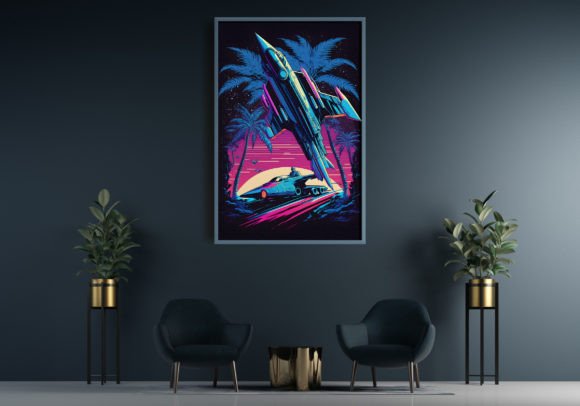
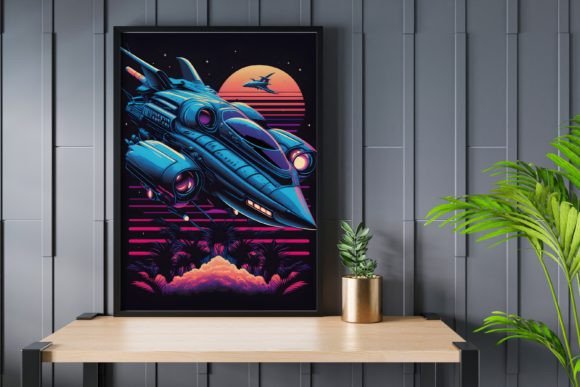
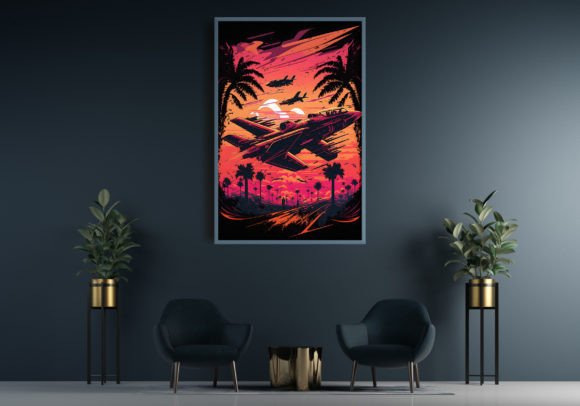
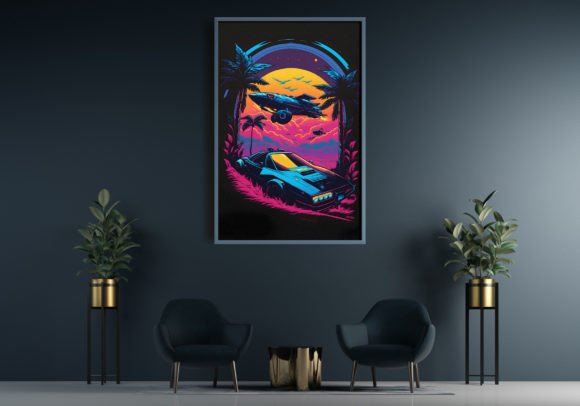
Synthwave Design Illustrations are defined by a distinct visual language. It is a genre that pulls heavily from the analog era, characterized by neon grids, chrome text, sunsets with horizontal stripes, and a color palette dominated by hot pink, electric blue, and deep purple. The "personality" of these designs is bold, energetic, and unapologetically loud. It evokes a sense of driving fast down a highway at night or the cover art of a vintage VHS tape.
For designers, this aesthetic offers a rich canvas. The style is not merely decorative; it conveys a mood of nostalgia mixed with technology. When you incorporate these illustrations into your work, you are tapping into a cultural movement that resonates with adults who grew up in the 80s and 90s, as well as younger audiences fascinated by retro-futurism. The appeal lies in its versatility—it can be gritty and industrial or sleek and polished, depending on how you apply the gradients and lighting effects.
Why Resolution Matters: The 4096 x 6144 Advantage
One of the biggest hurdles in digital art is the compromise between file size and quality. Many design assets are sold at lower resolutions, which look fine on a phone screen but disintegrate into pixels when you try to scale them for print. The Synthwave Design Illustrations mentioned here resolve this issue completely. With a resolution of 4096 x 6144 pixels, the image quality is preserved at a level that satisfies professional printing standards.
Imagine you are designing a large-format banner for a trade show or a poster for a music festival. If you use a standard web-resolution image, the result will be blurry and unprofessional. However, with a high-resolution asset, the details remain sharp. You can zoom in to crop specific elements—like a specific neon palm tree or a retro sports car—without losing the crispness of the lines. This high resolution ensures that the end result, whether viewed on a high-DPI Retina display or printed on a six-foot vinyl banner, looks professional and satisfying. It gives you the creative freedom to re-purpose the asset across multiple mediums without needing to recreate the artwork from scratch.
Strategic Applications for Brands and Creators
For entrepreneurs, marketers, and small business owners, the application of Synthwave Design Illustrations goes beyond mere decoration. It is about brand identity. If your brand operates in the tech, gaming, music, or entertainment sectors, this aesthetic can serve as a powerful differentiator. It communicates that your brand is modern, energetic, and culturally aware.
Here are practical ways to leverage these assets in your projects:
- Merchandise and Apparel: The sharpness of the 4096 x 6144 file is ideal for T-shirt design. Screen printing and direct-to-garment (DTG) printing require high-fidelity source files to ensure the neon gradients don't turn into muddy colors.
- Social Media Graphics: In a crowded feed, a static image needs to grab attention instantly. The vibrant colors inherent in Synthwave art stop the scroll. You can use these illustrations as backgrounds for text overlays in Instagram stories or YouTube thumbnails.
- Editorial and Web Design: Bloggers and publishers can use these images to break up text-heavy articles, particularly those discussing technology, music reviews, or future trends. The visual hierarchy shifts immediately when a bold, neon graphic is introduced.
- Packaging Design: For products like energy drinks, tech gadgets, or vinyl records, this illustration style creates an immediate shelf appeal. The "chrome" and "gloss" typical of this style suggest a premium product.
Integrating Synthwave into Modern Design Workflows
Using a premium font or a bold illustration style requires a thoughtful approach to visual hierarchy. Because Synthwave Design Illustrations are so visually dense, they pair best with clean typography. If you place a complex, neon-drenched background behind a busy script font, the result will be illegible. Instead, consider pairing these illustrations with a clean sans serif font or a geometric display font. This creates a necessary contrast, allowing the text to remain readable while the illustration provides the atmospheric context.
When evaluating the fit for your project, consider the "energy" of the design. Does your project require a calm, subdued tone? If so, Synthwave might be too intense. However, if the goal is to evoke excitement, innovation, or nostalgia, this is the perfect match.
Furthermore, consistency is key in brand identity. If you decide to use Synthwave elements in your marketing materials, ensure they are applied consistently across your web design and print collateral. The high-resolution nature of this file allows you to extract elements—such as a grid pattern or a specific gradient—and use them as subtle textures in other areas of your design system. This ensures that whether a customer is looking at your website or holding a physical brochure, the brand experience is cohesive.
Practical Guidance for Designers and Hobbyists
For crafters and hobbyists, the appeal of these illustrations lies in their ability to transform a mundane project into something spectacular. Whether you are creating custom decals, wall art for a home office, or graphics for a personal blog, the quality of the asset dictates the quality of the final product.
When working with such a large file, ensure your hardware can handle the processing power required for editing. However, the trade-off is worth it. You have the flexibility to perform heavy edits—such as color grading, masking, and compositing—without degrading the image. This is particularly useful for creative font projects where you might want to integrate text directly into the illustration, creating a 3D effect where the letters appear to be part of the neon cityscape.
Ultimately, investing in high-quality design assets