Cinema Roll Film Illustrations: Creative Design Assets
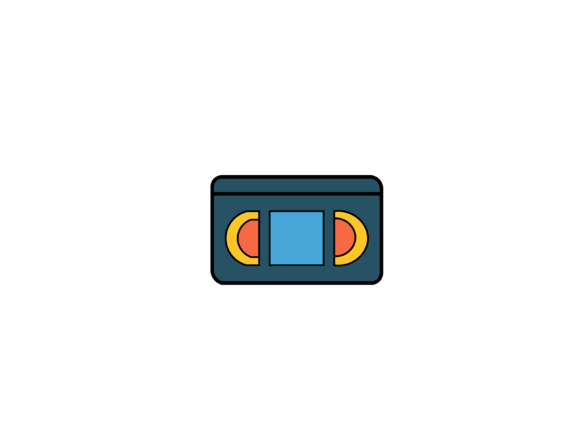
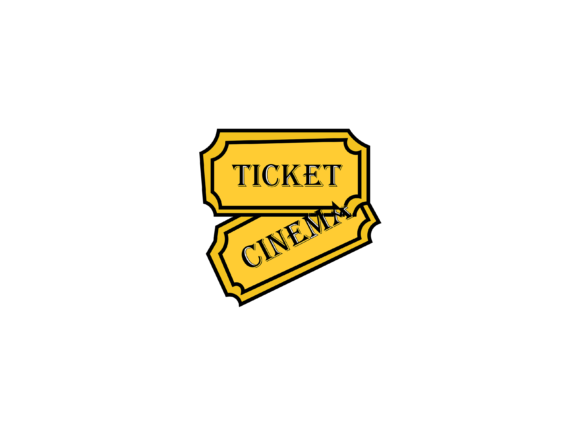
If you work in publishing, merchandise design, or digital marketing, you know that finding a design asset that balances nostalgia with modern utility is rare. The Cinema Roll Film Illustrations collection hits that sweet spot perfectly. It captures the tactile, mechanical charm of vintage filmmaking—think sprockets, celluloid strips, and analog textures—but renders it in a clean, versatile vector style that works just as well on a smartphone screen as it does on a printed tote bag.
What makes this collection stand out is its personality. It doesn’t feel like a dusty relic; it feels like a celebration of the craft. The illustrations have a hand-drawn quality that softens the industrial nature of film machinery, making them approachable for a wide range of audiences. Whether you are designing a children’s book about "how things work," creating packaging for an artisanal popcorn brand, or curating a vintage aesthetic for a social media campaign, this asset provides a strong visual anchor. It is designed specifically to bridge the gap between professional design needs and personal creative projects, offering a cohesive look that is instantly recognizable yet highly adaptable.
Visual Style and Versatility
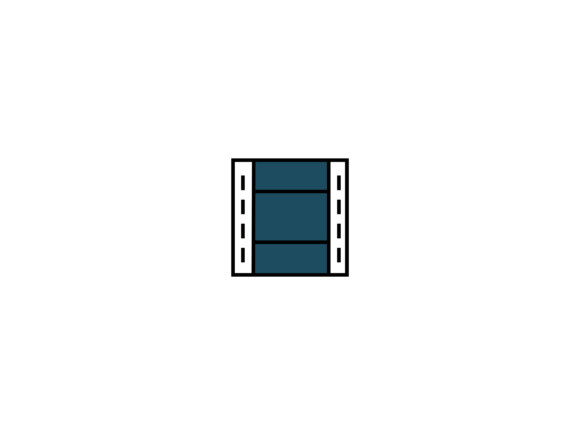
The strength of these illustrations lies in their adaptability across different media. Because the file package includes high-resolution formats—specifically the 300dpi JPG and PNG files—you don’t have to worry about pixelation when scaling up for physical products. For those working in professional environments, the AI and EPS vector formats are essential. They allow you to deconstruct the artwork, change colors to match specific brand guidelines, or isolate elements like a single film strip to use as a decorative border.
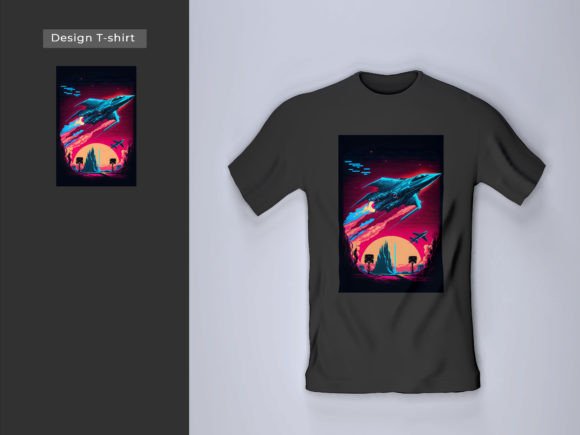
Consider the application for book and notebook design. A cover featuring a looping film strip immediately signals a story about entertainment, history, or creativity. For a children’s book, the illustrations can be simplified to teach kids about technology and storytelling. The inherent "fun factor" of the cinema theme makes it excellent for educational materials. However, the utility extends far beyond paper goods. In the realm of fashion and accessories, the design translates beautifully onto T-shirts and tote bags. The high-contrast nature of the film strip graphic ensures it pops against fabric, creating a strong visual statement that appeals to film buffs and vintage lovers alike.
For the digital space, specifically phone cases and social media graphics, the clean lines of the vector art ensure that the design remains crisp on high-resolution Retina and OLED screens. You can use a full composition for a poster or crop in tight on the sprocket holes to create a subtle, repeating pattern for a website background or printed stationery. This flexibility is what defines a premium design asset; it offers multiple solutions from a single source file.
Practical Integration into Your Projects
When integrating the Cinema Roll Film Illustrations into your workflow, think about the narrative you want to tell. The "film" motif is culturally loaded with concepts like storytelling, memory, and the "magic" of cinema. If you are a small business owner creating merchandise, this asset helps build an immediate emotional connection with your customers. It suggests authenticity and a love for the medium.
Here is a breakdown of how you might approach this asset for different professional needs:
- Brand Identity and Packaging: Use the vector elements to create a logo or label for products related to media production, photography, or retro snacks. The vintage aesthetic pairs well with kraft paper textures.
- Editorial and Publishing: For magazines or blogs focusing on film reviews or photography tutorials, these illustrations serve as excellent spot graphics or chapter headers. They break up text blocks and add visual interest without overwhelming the written content.
- Event Decor and Stationery: While the prompt mentions Easter, this design works year-round for movie nights, birthday parties, or graduation events for film students. You can print the patterns on wrapping paper, invitations, or table runners.
- Digital Marketing: Create engaging Instagram stories or YouTube thumbnails. The visual language of film is universally understood, making it a great hook for video content creators.
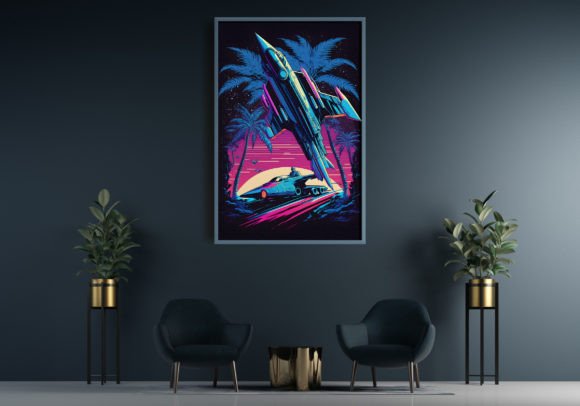
One key piece of advice for working with this style is to pay attention to your color palette. While the black and white of classic film is iconic, don’t be afraid to experiment with color overlays in your design software. Applying a sepia tone can enhance the vintage feel, while a neon overlay can create a synthwave, 80s aesthetic. This ability to shift the mood of the asset makes it a long-term investment for your creative toolkit.
Technical Details and Final Thoughts
From a technical standpoint, having access to the 1 File AI format and 1 File EPS format is crucial for scalability. You can scale these vectors to the size of a billboard or shrink them down to a favicon without losing quality. The inclusion of the 1 File JPG format 300dpi and 1 File PNG format 300dpi ensures that even if you are working in simpler software like Canva or basic photo editors, you have access to print-ready quality.
Ultimately, the Cinema Roll Film Illustrations package is more than just clip art; it is a thematic toolkit. It provides a consistent visual language that can unify a brand across multiple touchpoints—from a website header to a physical product. For designers, entrepreneurs, and hobbyists, it offers a way to inject personality and professionalism into projects with minimal effort. By leveraging the included vector files, you maintain full control over the final output, ensuring that your designs look exactly how you envisioned them, whether they are displayed on a screen or printed on paper.